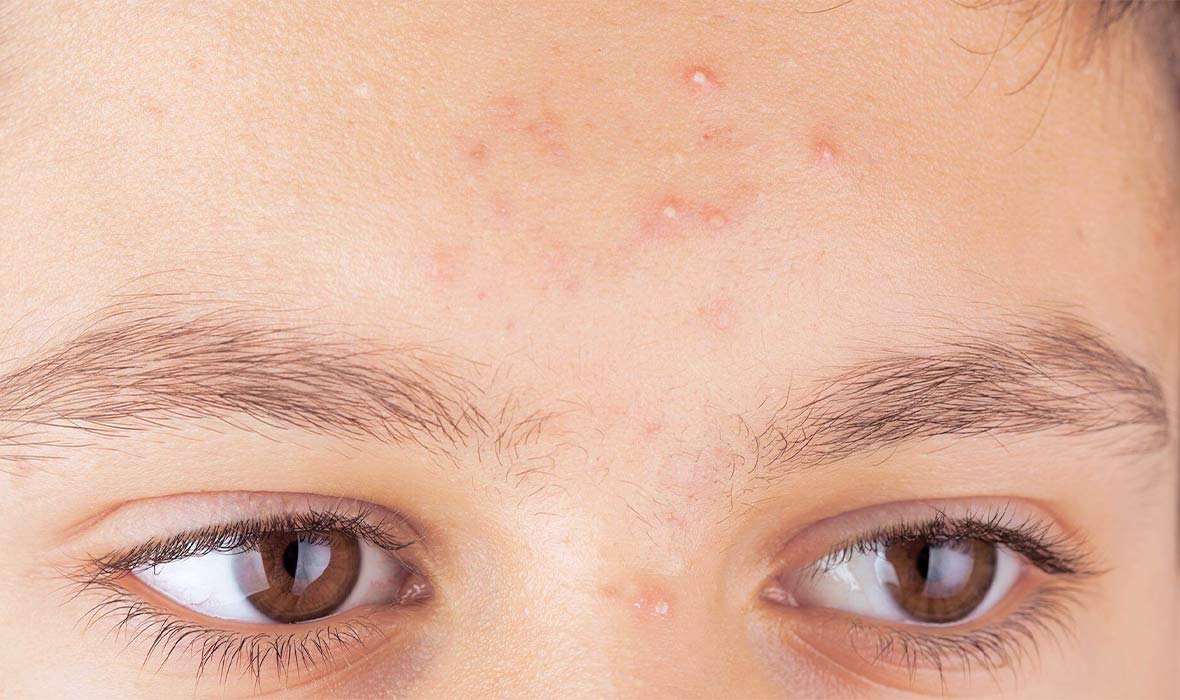
Whiteheads are one of the most common forms of acne, affecting people of all ages and skin types. These small white or flesh-colored bumps develop when pores become clogged with oil, dead skin cells, and debris. While they may seem harmless, persistent whiteheads can leave your skin looking uneven and may lead to more severe acne if left untreated.
The good news is that understanding what causes whiteheads can help you prevent future breakouts and build a skincare routine that supports clear, healthy skin.
What Are Whiteheads?
Whiteheads, also known as closed comedones, form when a hair follicle becomes clogged with sebum (your skin’s natural oil), dead skin cells, and other debris. Unlike blackheads, the pore remains closed, preventing the trapped material from oxidizing. As a result, the bump appears white or skin-colored instead of black.
Whiteheads commonly appear on areas with higher oil production, including:
- Forehead
- Nose
- Chin
- Cheeks
- Jawline
- Chest
- Back
- Shoulders
What Causes Whiteheads?
Several factors can contribute to the development of whiteheads. While clogged pores are the immediate cause, understanding the underlying triggers can help reduce recurring breakouts.
1. Excess Oil Production
Your sebaceous glands naturally produce oil to keep your skin hydrated. However, when too much oil is produced, it combines with dead skin cells and blocks pores, creating the perfect environment for whiteheads.
2. Dead Skin Cell Buildup
Healthy skin continuously sheds old cells. If these cells aren’t removed effectively, they can accumulate inside pores and form closed comedones.
Gentle exfoliation helps encourage healthy skin renewal without damaging the skin barrier.
3. Hormonal Changes
Hormonal fluctuations are among the most common causes of whiteheads.
You may notice increased breakouts during:
- Puberty
- Menstrual cycles
- Pregnancy
- Menopause
- Periods of high stress
- Hormonal conditions such as PCOS
Hormonal changes often increase sebum production, making pores more likely to become clogged.
4. Pore-Clogging Skincare Products
Certain skincare and makeup products contain ingredients that can block pores.
Heavy creams, thick oils, and comedogenic ingredients may contribute to whitehead formation, especially if you have acne-prone skin. Choosing non-comedogenic products can help minimize this risk.
5. Genetics
Genetics can influence how much oil your skin produces and how prone you are to developing acne. If acne runs in your family, you may be more likely to experience recurring whiteheads.
6. Stress
Stress doesn’t directly cause whiteheads, but it can increase hormone levels that stimulate oil production and slow the healing of existing breakouts, making acne appear worse.
Also Read: Benefits of Getting a HydraFacial
Whiteheads vs. Blackheads
Although both are forms of comedonal acne, there are important differences.
|
Whiteheads |
Blackheads |
|
Closed pore |
Open pore |
|
White or flesh-colored |
Dark or black appearance |
|
Trapped material isn’t exposed to air |
Debris oxidizes when exposed to oxygen |
|
Often feel like small bumps |
Usually appear as dark dots |
Understanding the difference can help you choose the most appropriate treatment.
How to Get Rid of Whiteheads
A consistent skincare routine can help clear existing whiteheads and reduce future breakouts.
Cleanse Gently Twice Daily
Use a mild cleanser morning and evening to remove excess oil, dirt, and impurities without stripping the skin.
Harsh scrubbing can irritate your skin and worsen acne.
Exfoliate with Proven Ingredients
Chemical exfoliants are often more effective than physical scrubs for whiteheads.
Look for ingredients such as:
- Salicylic acid (BHA)
- Mandelic acid
- Glycolic acid
- Lactic acid
These ingredients help dissolve dead skin cells and keep pores clear.
Choose Non-Comedogenic Products
Always check that your skincare and makeup products are suitable for acne-prone skin.
Lightweight, non-comedogenic formulas are less likely to clog pores.
Don’t Pick or Pop Whiteheads
Although it can be tempting, squeezing whiteheads may:
- Push debris deeper into the skin
- Cause inflammation
- Increase the risk of scarring
- Introduce bacteria
Allow skincare products to work gradually instead of forcing extraction.
Wear Sunscreen Daily
Daily sunscreen protects healing skin and helps reduce post-acne discoloration.
Choose a broad-spectrum SPF that won’t clog pores.
Tips to Prevent Whiteheads
Preventing whiteheads starts with healthy daily habits.
Here are a few simple ways to keep your skin clear:
- Wash your face after sweating.
- Remove makeup before bed.
- Clean makeup brushes regularly.
- Change pillowcases frequently.
- Avoid touching your face.
- Use lightweight skincare products.
- Maintain a consistent skincare routine.
Small changes can make a noticeable difference over time.
Also Read: 10 Best Face Moisturizers For Oily Skin
When to See a Dermatologist
If your whiteheads persist despite consistent skincare, become widespread, or are accompanied by painful acne, consult a dermatologist.
A dermatologist can recommend treatments such as prescription retinoids, professional extractions, or customized acne therapies based on your skin type and concerns.
Final Thoughts
Whiteheads are a common but manageable form of acne. By understanding what causes whiteheads, including excess oil, dead skin buildup, hormonal fluctuations, and pore-clogging products, you can take steps to prevent future breakouts.
A simple routine built around gentle cleansing, regular exfoliation with effective ingredients, and non-comedogenic skincare can help keep pores clear and your complexion smoother. With patience and consistency, healthier, clearer skin is within reach.