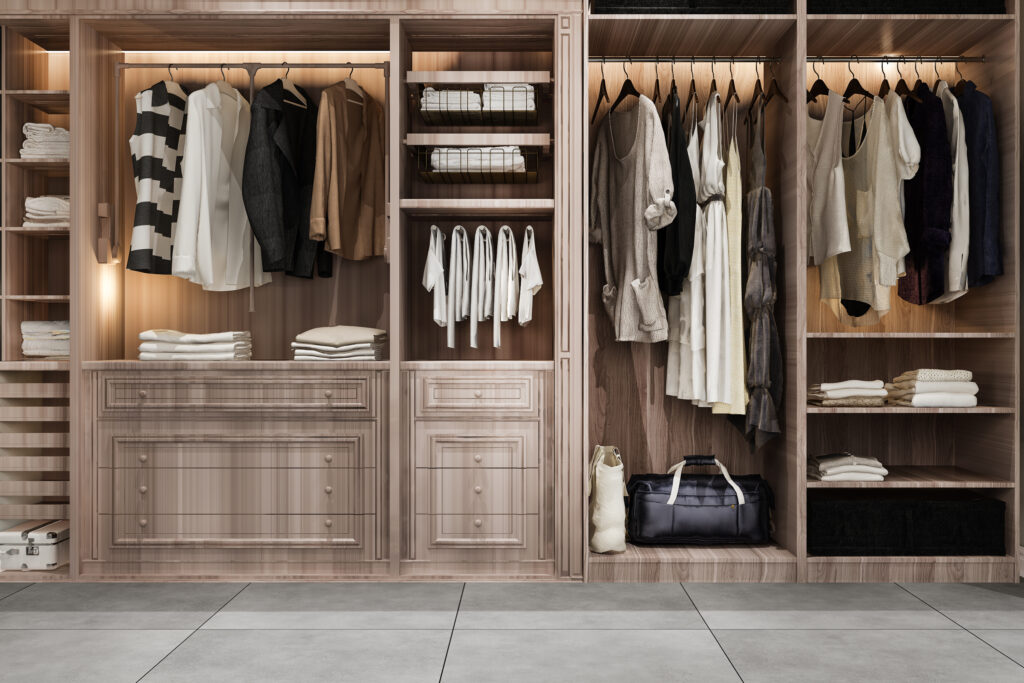
An active lifestyle can involve everything from morning walks and fitness classes to weekend sports, lunches with friends, and days spent outdoors. While these activities may require different levels of performance from clothing, maintaining a separate wardrobe for every occasion is not always practical.
A versatile wardrobe offers an alternative. By choosing pieces that balance comfort, performance, and everyday style, it is possible to create outfits that work across a much wider range of activities. The key is to think carefully about fabrics, fit, layering, and how easily individual garments can be combined.
Start With the Activities You Actually Do
Before adding new clothing to a wardrobe, consider how you genuinely spend your time. Someone who regularly plays golf and enjoys walking will have different requirements from someone whose routine mainly involves indoor workouts.
Think about a typical week and identify the situations that require particular clothing. This might include exercise, commuting, working from home, outdoor activities, social events, or weekend errands. From there, look for areas of overlap. A comfortable polo might work for a sporting activity as well as a casual lunch, while a lightweight jacket could be suitable for a morning walk, traveling, and an afternoon outdoors. Building around real activities helps prevent a wardrobe from filling up with specialist clothing that rarely gets worn.
Pay Attention to Fabric
Fabric can determine how useful a piece of clothing becomes. Natural materials have their advantages, but modern technical fabrics can offer features that are particularly valuable for an active lifestyle.
Stretch is one example. Clothing that moves with the body can provide greater comfort during physical activity while also making everyday tasks easier. Breathable and moisture-wicking materials can help manage heat and perspiration, particularly during warmer weather. Some clothing also incorporates UV protection, which can be useful for activities involving prolonged periods outside.
Golfwear provides a good example of how these qualities can be combined with a more polished appearance. Brands such as The Rose Club offer women’s golf clothing designed with technical features while maintaining styles that can work beyond the course. When choosing versatile clothing, it is worth checking what the fabric actually does rather than making a decision based solely on appearance. In some instances, the best fabric and attractive appearance can be possible.
Build Around Reliable Basics
A versatile wardrobe does not need to contain dozens of different pieces. A smaller collection of reliable basics can provide plenty of outfit combinations. Neutral trousers, polos, lightweight tops, simple dresses, knitwear, and comfortable outer layers can all form useful foundations. These can then be combined with more distinctive items or accessories when an outfit needs additional personality.
Fit is equally important. Clothing that is extremely tight or oversized may be ideal for a particular look but can sometimes be harder to adapt to different settings. Well-fitting pieces with relatively simple silhouettes often provide greater flexibility. This does not mean an active wardrobe needs to be boring. Color, patterns, accessories, and statement pieces can still provide variety without making every garment difficult to combine.
Make Layering Part of the Plan
Anyone who spends significant time outdoors knows how quickly conditions can change. Layering makes it easier to adapt without having to plan an entirely different outfit. A breathable base layer can be combined with knitwear or a lightweight jacket, for example. When temperatures rise, the outer layer can simply be removed.
Layers are particularly valuable during transitional seasons when mornings may be cool but afternoons considerably warmer. They can also make clothing suitable for a greater portion of the year, increasing the value you get from individual pieces.
Consider how new garments will work with items you already own. A jacket that can only be worn over one specific outfit is less versatile than one that complements several combinations.
Look Beyond Traditional Sportswear
An active lifestyle does not necessarily require wearing conventional gym clothing all day. Many sports now have clothing that combines performance features with designs suitable for casual settings. This crossover can be particularly useful when an activity is followed by social plans. Golfers may head to the clubhouse after playing, while someone taking a long weekend walk might stop for lunch afterward.
Choosing clothing that feels appropriate in both situations reduces the need to change and can make getting dressed simpler. Footwear can be approached in a similar way, although performance and safety should always come first. Certain activities require specialist shoes, so versatility should never be prioritized over suitable grip, stability, or support.
Consider Cost Per Wear
Price alone does not always indicate whether a piece of clothing represents good value. How frequently an item is worn can provide a more useful measure. A more expensive garment worn several times each month may ultimately provide better value than a cheaper piece bought for one particular occasion and rarely used again.
Quality can also influence longevity. Check stitching, fabric weight, care instructions, and how well a garment is likely to retain its shape. Clothing that requires complicated maintenance may be less practical for regular use.
Before buying something new, consider at least three situations in which you could realistically wear it. If it only works for one very specific activity, decide whether that specialist function justifies giving it space in your wardrobe.
Also Read: How To Style White Sarees
Choose Clothing That Fits Your Lifestyle
There is no universal active wardrobe because people have different routines, climates, interests, and personal styles. Versatility is about finding the combination that works for your own life. Focus on clothing that feels comfortable, suits the activities you enjoy, and can be combined easily with other pieces. Technical fabrics, adaptable layers, and simple foundations can all help individual garments work harder.
Over time, this approach can result in a wardrobe that is easier to navigate and better suited to everyday life. Rather than owning separate outfits for every possible activity, you can rely on a collection of carefully chosen pieces that move comfortably between exercise, outdoor activities, travel, and social occasions.